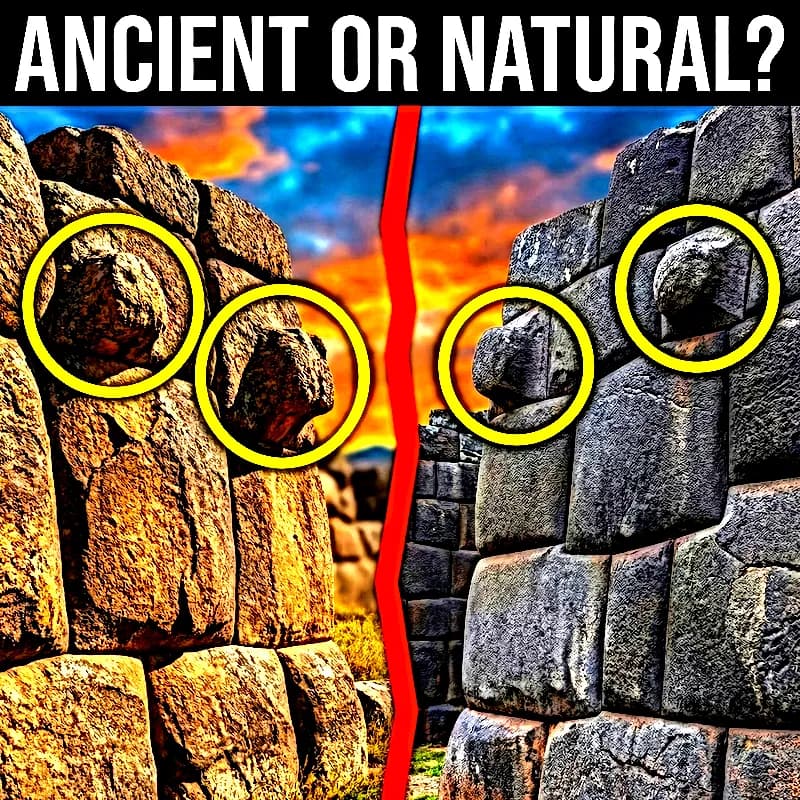
Montana Sage Wall
The investigation into the origins of monumental stone structures often serves as a primary friction point between conventional geological science and alternative historical paradigms. The "Montana Sage Wall," a feature located within the 75-million-year-old Boulder Batholith, has emerged as a significant case study in this debate [1]. To proponents of alternative history, the wall represents a North American extension of the sophisticated cyclopean masonry traditionally associated with the Inca and pre-Inca cultures of Peru, specifically sites such as Sacsayhuaman, Ollantaytambo, and Cusco [2
comparative overview of structural featuresthe "nubs" or protruding bossespolygonal interlocking and joinerycorner rounding and the "pillowed" aestheticthe geological rebuttal: the skeptic's view