JFK ASSASSINATION
10 Documents on file
Forensic And Behavioral Analysis Of The Warren Commission's Lone Assassin Conclusion
The assassination of President John F. Kennedy on November 22, 1963, remains the most scrutinized criminal event in the history of the United States. Following the tragedy, the President's Commission on the Assassination of President Kennedy, led by Chief Justice Earl Warren, was tasked with restoring public order through a definitive investigation into the events in Dealey Plaza. [1, 2] The Commission's final report, released in September 1964, concluded that Lee Harvey Oswald, acting entirely alone and without assistance from any domestic or foreign conspiracy, fired the three shots that kil
Forensic And Historical Analysis Of The Warren Commission's Verdict - Lee Harvey Oswald And The Mechanics Of The Assassination Of John F. Kennedy
The assassination of President John F. Kennedy on November 22, 1963, in Dallas, Texas, occupies a singular position in American jurisprudence and political history. The President's Commission on the Assassination of President Kennedy, commonly known as the Warren Commission, was established by Executive Order 11130 on November 29, 1963, and was chaired by Chief Justice Earl Warren. [1, 2] Over a ten-month investigation, the Commission compiled 26 volumes of hearings and exhibits, producing a final report that concluded Lee Harvey Oswald was the sole gunman responsible for President Kennedy's d
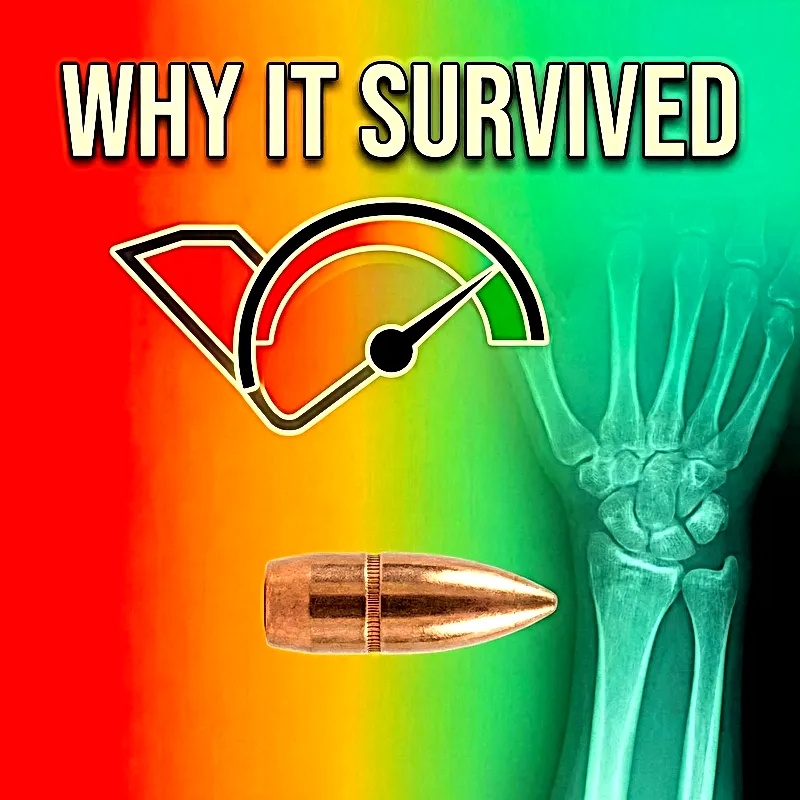
Forensic Ballistics Analysis Of Warren Commission Exhibit 399 And The Diminishing Velocity Theory
The structural integrity and terminal performance of Warren Commission Exhibit 399 (CE-399), colloquially known as the "Magic Bullet," represent a central point of debate in modern forensic ballistics and historical reconstruction. The Single Bullet Theory (SBT) posits that this specific 6.5x52mm Carcano projectile traversed the bodies of both President John F. Kennedy and Governor John Connally, sustaining only minimal deformation despite inflicting seven entry and exit wounds and fracturing two distinct bone structures. [1, 2] The primary scientific defense for this phenomenon is the **"Dimi
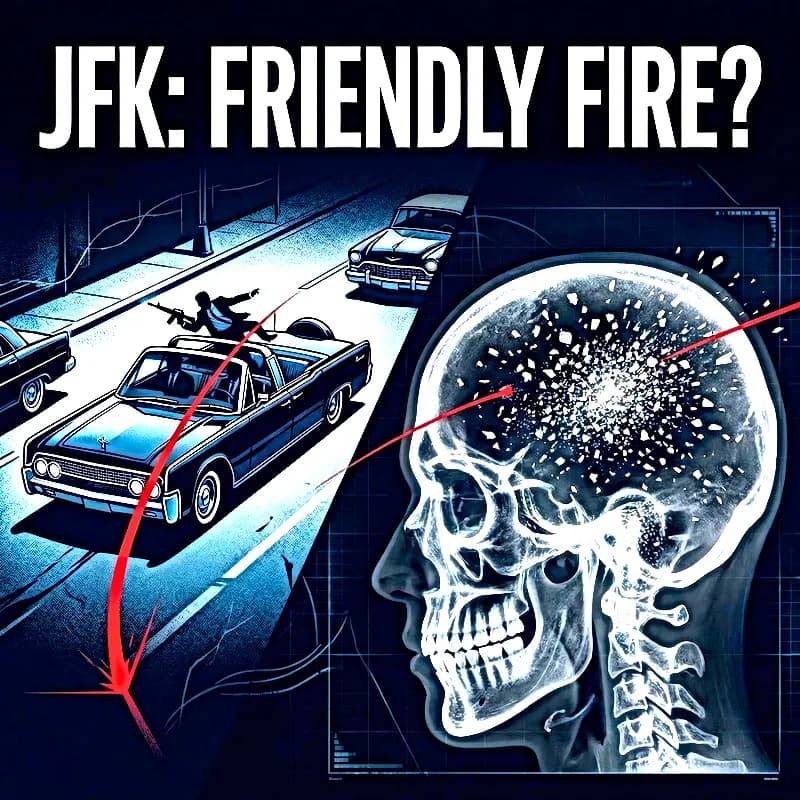
Forensic Ballistics And Institutional Negligence - An Analysis Of The Mortal Error Theory
The assassination of John F. Kennedy, the 35th President of the United States, on November 22, 1963, remains the definitive cold case of the 20th century. While the Warren Commission established the official narrative of a lone gunman, Lee Harvey Oswald, firing three shots from a sixth-floor window of the Texas School Book Depository, subsequent forensic analysis has exposed critical vulnerabilities in this conclusion. [1, 2] Among the most rigorously researched alternative hypotheses is the **Mortal Error** theory, first developed by ballistics expert Howard Donahue and later chronicled by Bo
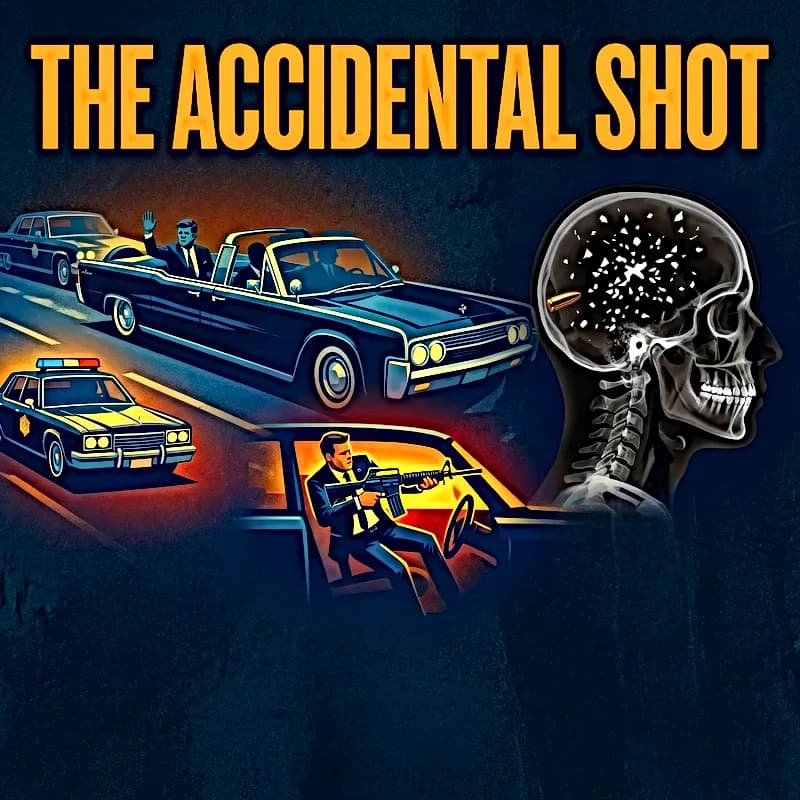
Forensic Reconstruction And Institutional Damage Control - The Mortal Error Thesis In The Assassination Of John F. Kennedy
The assassination of President John F. Kennedy on November 22, 1963, represents a watershed moment in American history, characterized by a persistent tension between official narratives and forensic anomalies. While the Warren Commission's 1964 report formally identified Lee Harvey Oswald as the sole perpetrator, subsequent investigations by independent ballistic experts have raised significant questions regarding the mechanics of the fatal headshot. The "Mortal Error" theory, pioneered by Baltimore gunsmith and ballistics expert Howard Donahue and detailed by author Bonar Menninger, proposes
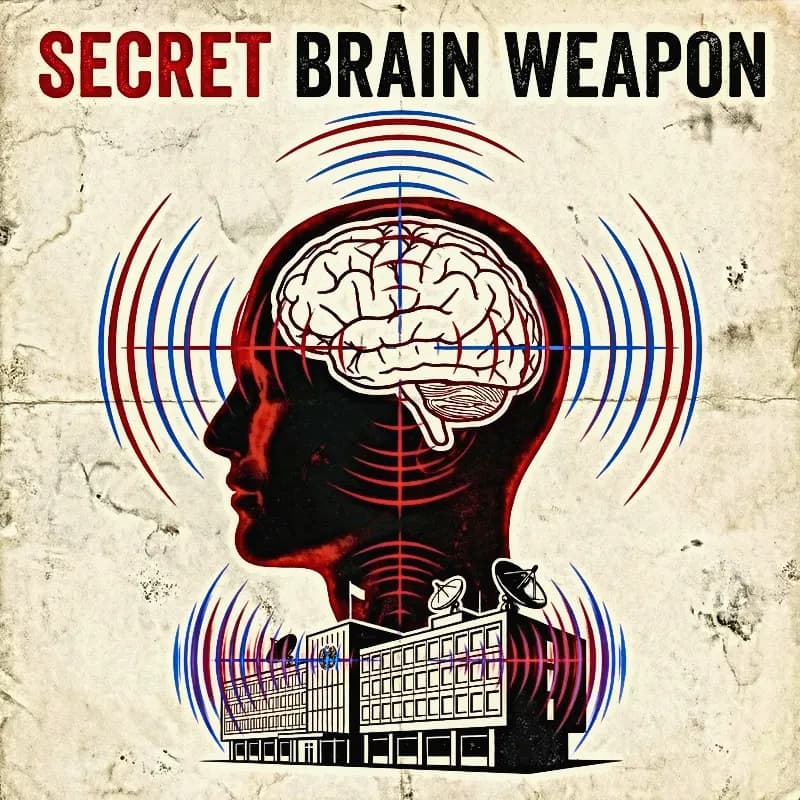
The 1960s Intelligence Climate - Project PANDORA, The Moscow Signal, And The Culture Of Information Control
The mid-twentieth century was defined by a clandestine arms race that transcended the visible boundaries of nuclear silos and ballistic missile ranges, venturing instead into the invisible realms of the electromagnetic spectrum and the biological architecture of the human brain. At the heart of this era was the **Moscow Signal**, a continuous microwave beam directed at the United States Embassy in Moscow, which served as the catalyst for one of the most sophisticated and ethically fraught intelligence operations in American history: **Project PANDORA**. This initiative, launched under the ausp
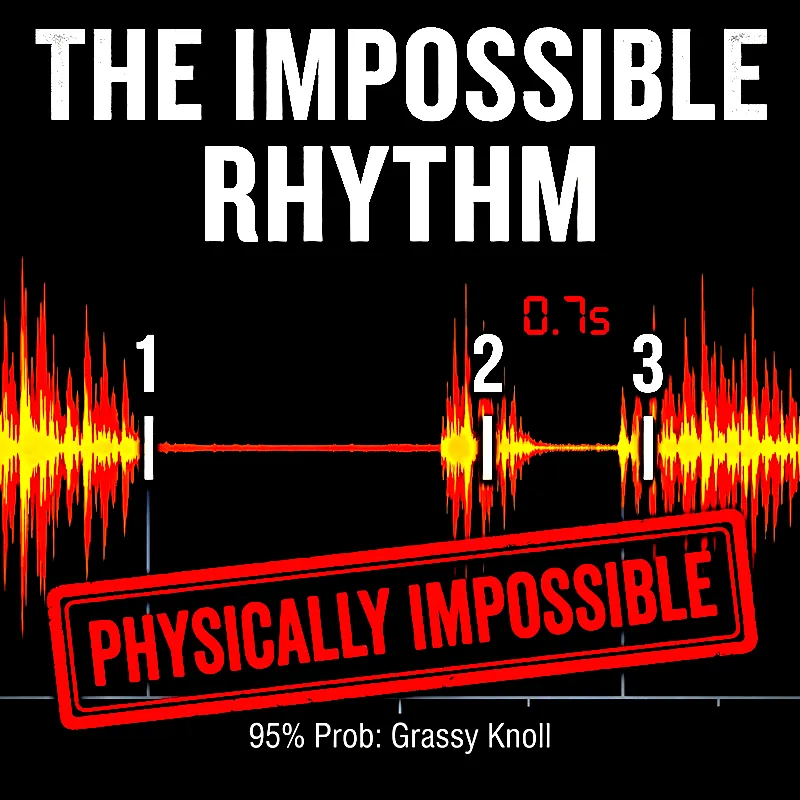
The Acoustical And Witness-Based Reconstruction Of The Dealey Plaza Shot Spacing
The assassination of President John F. Kennedy on November 22, 1963, remains the most scrutinized homicide in modern history, serving as a foundational case study in the tension between state-sponsored narrative and independent forensic analysis. While the Warren Commission initially established a conclusion of three shots fired by a lone gunman from the Texas School Book Depository (TSBD), subsequent scientific advancements in the 1970s and 1980s began to unravel the linear simplicity of that timeline. [1, 2] At the heart of this controversy is the contradiction between the official Single Bu
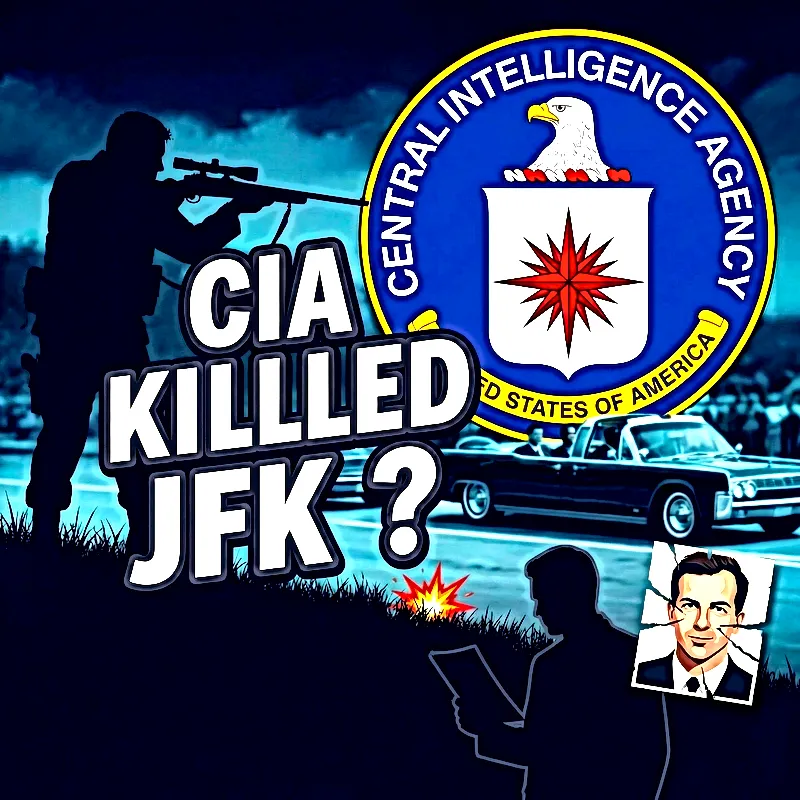
The Intelligence Paradigm - A Comprehensive Analysis Of Coordinated Agency Involvement In The Assassination Of John F. Kennedy
The assassination of President John F. Kennedy on November 22, 1963, remains the most consequential unsolved case in American history. While the Warren Commission concluded in 1964 that Lee Harvey Oswald acted alone, subsequent investigations—most notably by the House Select Committee on Assassinations (HSCA) in 1979—challenged this conclusion and introduced the finding that there was a "high probability" of a conspiracy. [1, 2] This report provides a detailed analysis of the intelligence community's institutional motive, the operational capabilities of assets like William Harvey and David San
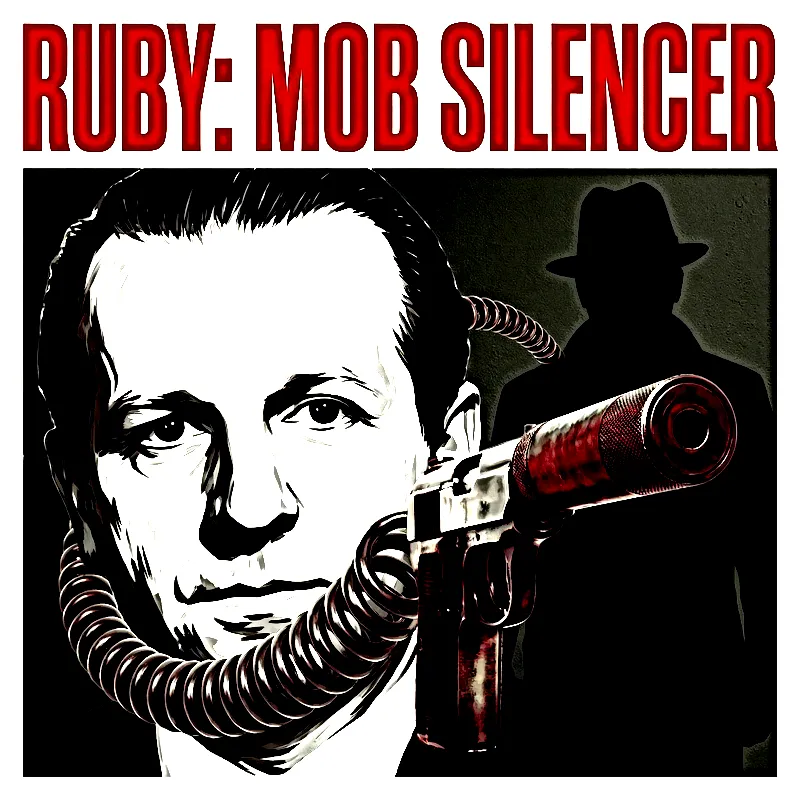
The Syndicate's Retaliation - Jack Ruby's AGVA Connections And The Mob Cover-Up
The assassination of President John F. Kennedy on November 22, 1963, remains the most scrutinized event in American political history, yet the subsequent murder of the prime suspect, Lee Harvey Oswald, by Dallas nightclub owner Jack Ruby represents the critical failure of the American judicial process to provide a definitive resolution. [1] For decades, historians and investigators have wrestled with the paradox of Ruby—a man characterized by the Warren Commission as an unstable loner driven by grief, yet revealed by subsequent investigations to be a deeply embedded facilitator within a sophis
The Syndicates Revenge - A Forensic Analysis Of Organized Crime And The Assassination Of John F. Kennedy
The convergence of high-stakes political ambition, clandestine intelligence operations, and the pervasive infrastructure of American organized crime in the mid-twentieth century created a volatile environment that culminated in the assassination of President John F. Kennedy. To analyze this event through the lens of Mob retaliation, one must navigate a complex landscape of early assistance, subsequent betrayal, and the ruthless enforcement of underworld codes. This report investigates the alleged involvement of the Mafia, focusing on the historical transition from the syndicate's assistance in